
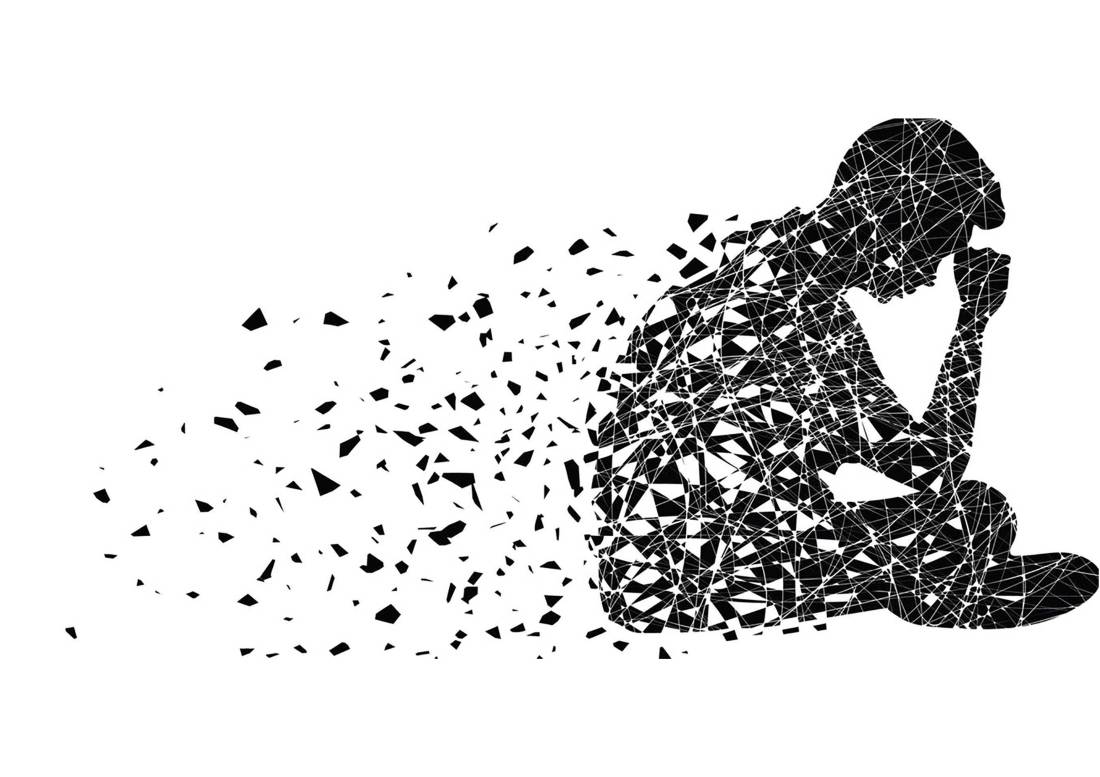
WHAT IS MENTAL HEALTH?
Mental health includes our emotional, psychological, and social well-being. It affects how we think, feel, and act. It also helps determine how we handle stress, relate to others, and make choices. Mental health is important at every stage of life, from childhood and adolescence through adulthood.
Good Mental health leads to positive self-image and in turn, satisfying relationships with family and others. Having a good mental health helps you to make a good decisions and deal with life’s challenges at home and others.
Problems can range from mild to severe, and can include depression, anxiety, body stem issues, and suicide. Needs attention and needs to be dealt with or solved. Unfortunately, most young people with mental health problems don’t get any treatment for them. Young people ignore mental health thinking they will “snap out of it,” or that they are something to be ashamed of . That kind of thinking prevents people from getting the help they need. Sometimes getting help is a matter of understanding mental health issues.
Sometimes people don’t get the help they needed because they don’t know where to turn. When you’re not feeling well . It can be a struggle to take necessary steps to help yourself get better. Healing is a combination of helping yourself and letting others help you . Comfort and support, information and advice , and professional treatment are all forms of help. Find a caring people in your life who can help you these people are who you are comfortable with anything , your family, friends, and others.
The consequences of not getting help for mental health problems can be serious. UNTREATED problems often continue and become worse, and new problems may occur , For Example, Someone with panic attacks might begin drinking too much alcohol with mistaken hope that it will help relieve his or her emotional pain.
Here some strategies for supporting someone with mental health concerns :
- Encourage the person to seek help and support from adult.
- Spend time with the person,listen to his/her concerns.
- Be hopeful;help them feel like their life will get better.
- Stand by them. Invite your friend to things that you are doing;keeping busy and staying in touch with friends will help your friend feel better, when they are ready.
- Learn as much as you can about mental illness so that you understand what is going on for them.
- If you are close friend or family member of someone with mental health problem, make sure that you will get help as well. Talk to someone about what is happening. This will help you be a better support person.
- Put the person’s life before your friendship. If the person mentions thoughts of suicide , don’t keep it secrete; even if the person has asked you to.
Sleep and Mental Health
Most teens need 9-10 hours of sleep every night . Problems from not being fully rested include :
- Irritability
- Difficulty concentrating and learning
- Don’t move information from short term to long term memory as well.
- Falling asleep in class and others…
- Mood swing and behavior problems
- More accident prone
- More prone to depression
Suggestion for getting a good night sleep:
- Stay away from stimulants like caffeine in the evening. Including chocolate, coals, and other caffeinated beverages. These delay sleep and increase night waking.
- Do not go to bed hungry , have a light snack.
- Turn off any TV’s , Computer, or cellphones, or just do not have electronics in the bedroom.
- Dis engage from any stimulating activities like exercise, computer games or talking on the phone for atleast 30 mins prior to bedtime. Reading much more relaxing and may hekp you fall sleep.
- Taking a warm bath or shower helps prepare the body for sleep.
- If you are not feeling rested and functioning at your best most days,talk to your parents Or go to a doctor.You may need to speak to a doctor if you are having a problems sleeping in spite of trying the above tips.
- Try a cup pf hot milk.
Being Involve in Physical activities can make you feel good physically and build confidence. Make you feel better physically and feel better about yourself It can improve your mood, Reduces physical reaction to stress, Help you sleep better, and give you more energy. Physical activity may be effective in preventing or reducing symptoms associated anxiety and depression. Physical activity increase body temperature, thus relaxing tension, Releases good chemicals that improves mood, Offers a “Time-out” from worries and depressing thoughts, Increase self confidence, feeling of competence and sense of mastery, and it provides a sense of belonging and mutual support when participating with others.
There are many reasons why people do not get help for mental health problems Fear, shame, and embarrassment often prevent individuals and their families from doing anything.
Sometimes being able to get the help, and support, and professional treatment you need is a matter of changing your mind about metal health and changing the way you react to mental health problems.
Mental health is as important as physical health. In fact, the two are closely linked.
 Mentalhealth